
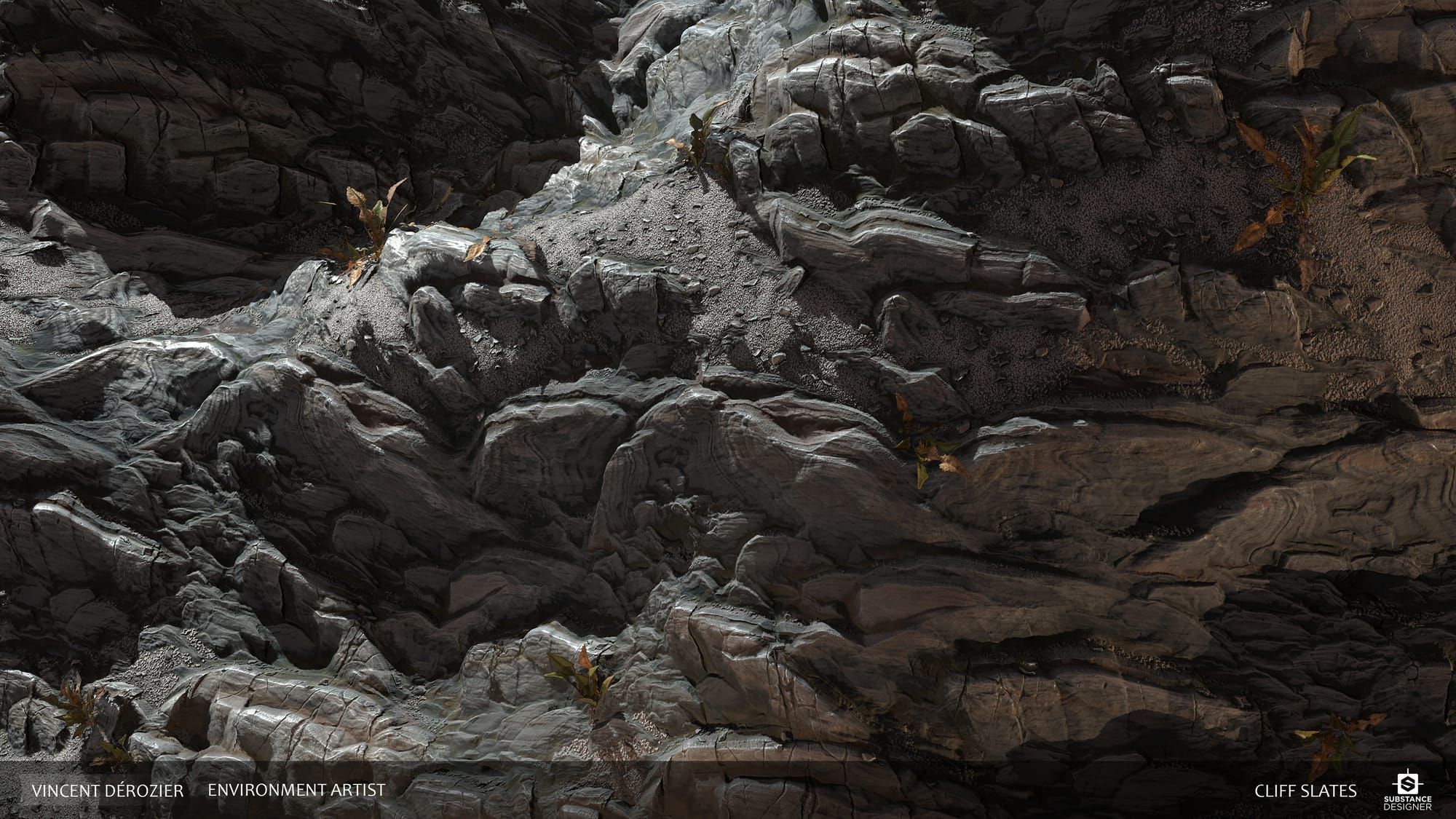

Gearbox Software’s Senior Lead Content Art tells us how he helps artists create their best work and shares his top portfolio advice.
Vincent Dérozier never expected to be a key creative force behind AAA games including Assassin's Creed Shadows and Immortals Fenyx Rising. From humble beginnings in southeast France, Vincent played games and enjoyed books and movies, but they were always an escape rather than a career path.
Initially, Vincent wanted to work as a comic book illustrator, but he decided video games would be more stable and offer immediate income. He moved to the city of Annecy in the French Alps and began working for Ubisoft on Assassin’s Creed: Brotherhood’s multiplayer mode, where he learned how game production and content creation processes work — and realized how much artistry goes into video games.
“It felt surreal and still is,” says Vincent. “I never thought I was going to work in games. Only after I finished school did games become a possible path. When I started at Ubisoft Annecy, I realized how much artistry was put into environment art, and I decided to pursue it and see where it would guide me.”
From Annecy to Quebec
Over the next few years, Vincent learned the ropes of Ubisoft’s art departments on Assassin’s Creed: Revelations, Assassin’s Creed III, and Assassin’s Creed IV: Black Flag. Then he crossed the Atlantic to join Ubisoft’s Quebec studios, where he worked on Assassin’s Creed Syndicate, Odyssey, and Shadows, as well as For Honor, Immortals Fenyx Rising, and a canceled Eidos project.
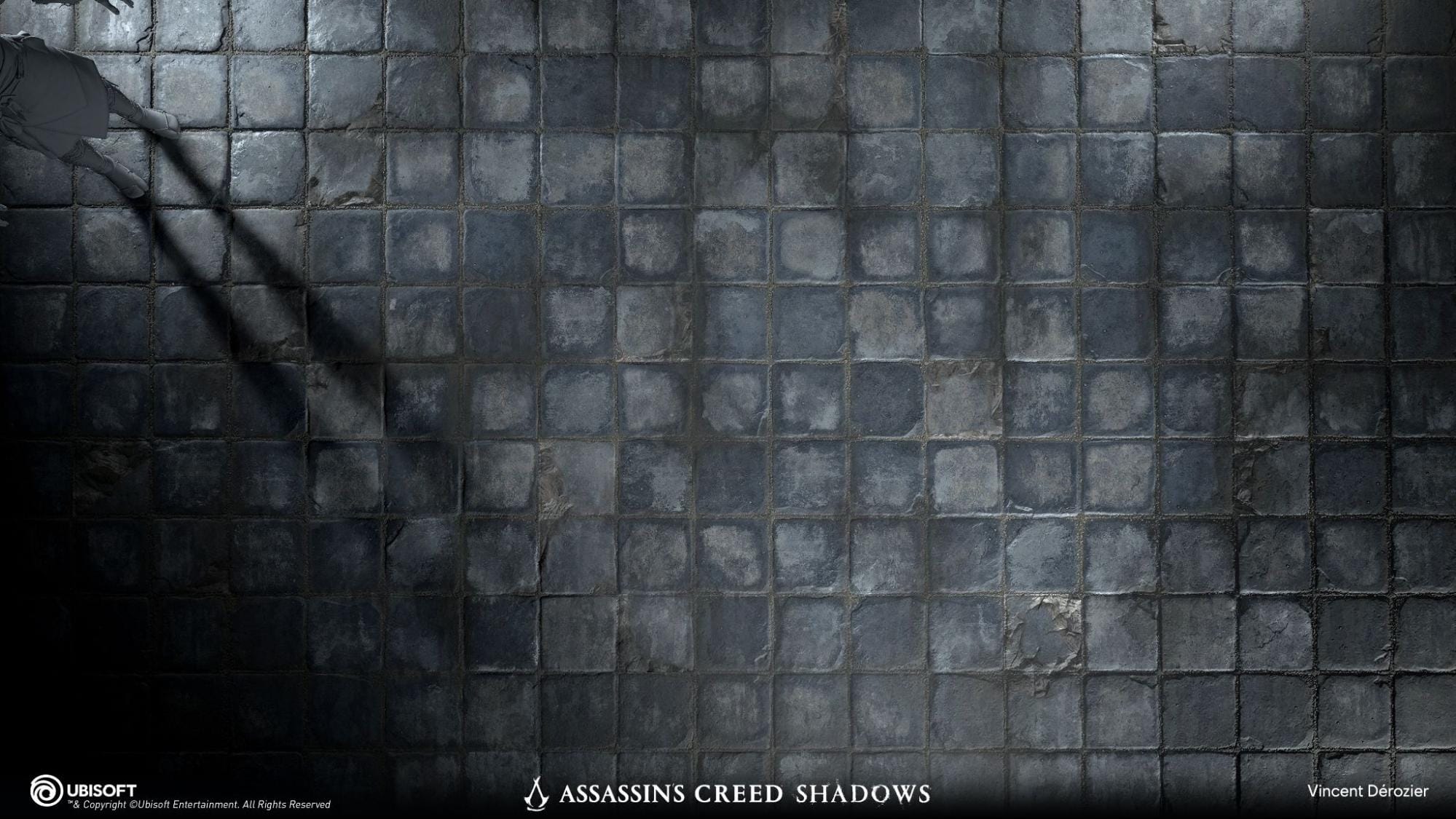
Vincent’s 15-plus years in the games industry have been distilled into his Gnomon Workshop: Creating Realistic Cliff Materials using Substance Designer. This four-hour tutorial guides artists through a complete workflow in Adobe’s Substance Designer, covering the artistic and technical skills needed to create a material ready for deployment in a video game environment.
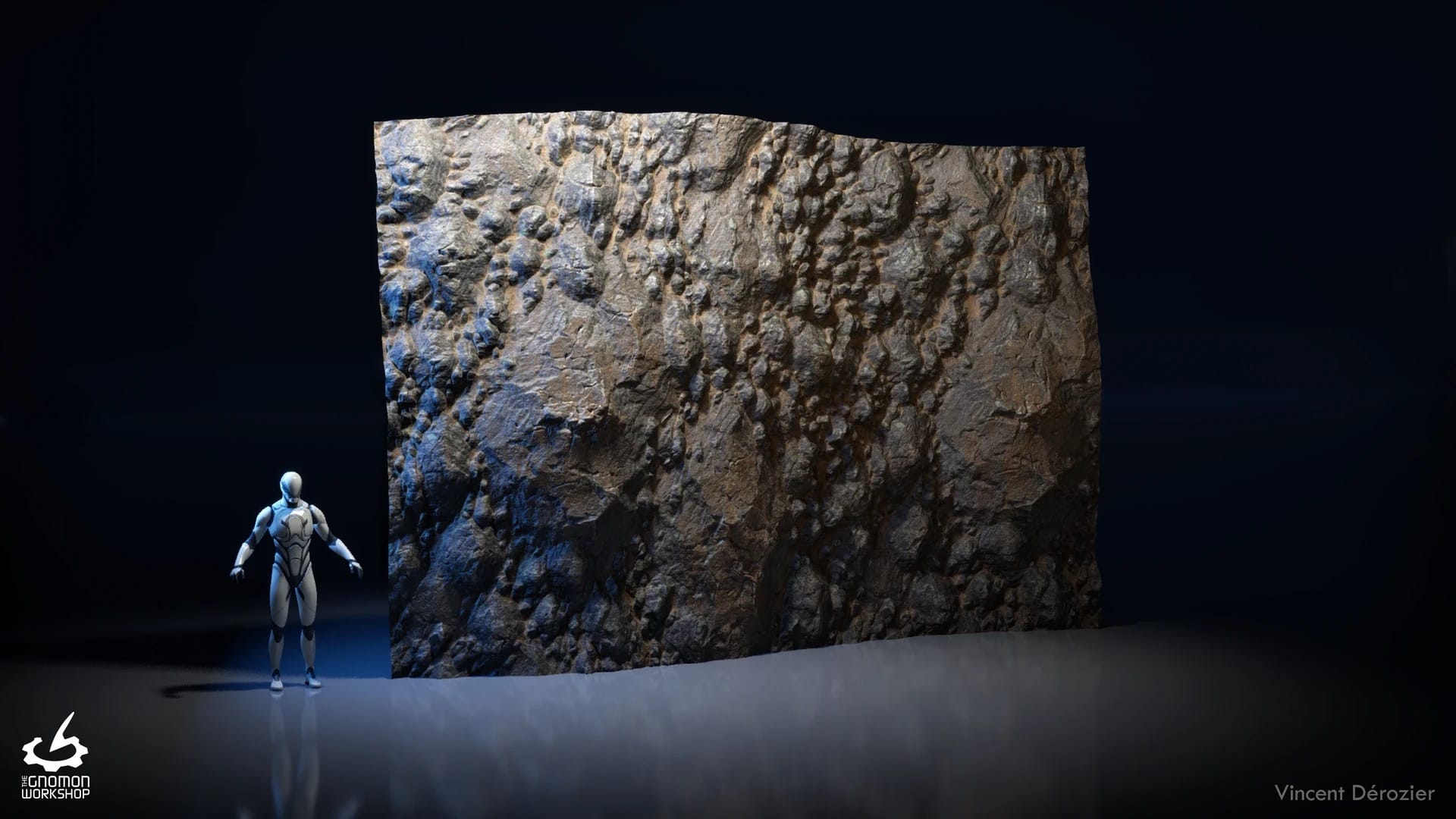
“I approached [the workshop] as I would in production, with time constraints and by building a collection of rock surfaces,” Vincent explains. “The subject was a good entry point, not just to create a portfolio piece, but an actual production asset. It was a very interesting experience.”
Managing Art Teams
The games Vincent has worked on have varied immensely, from Assassin’s Creed’s hyperrealistic renderings of past cities to Immortals Fenyx Rising’s more stylized and colorful setting of Golden Island. Now, Vincent is taking his varied experience to his role as Senior Lead, Content Art on an unannounced project for Borderlands studio Gearbox in Montreal. But how do you keep a huge team on target?
“Studying a subject, fleshing out things, creating breakdowns and documentation,” answers Vincent. “What you would call beautiful corners [finished parts of levels that set the tone for the rest] or visual targets. But a solid visual bible isn't enough — what matters is letting people apply it to real situations. The process of making mistakes, allowing time for people to grasp things by themselves, is crucial.”
“I give artists as much ownership as possible. People do their best when you trust them.” - Vincent Dérozier
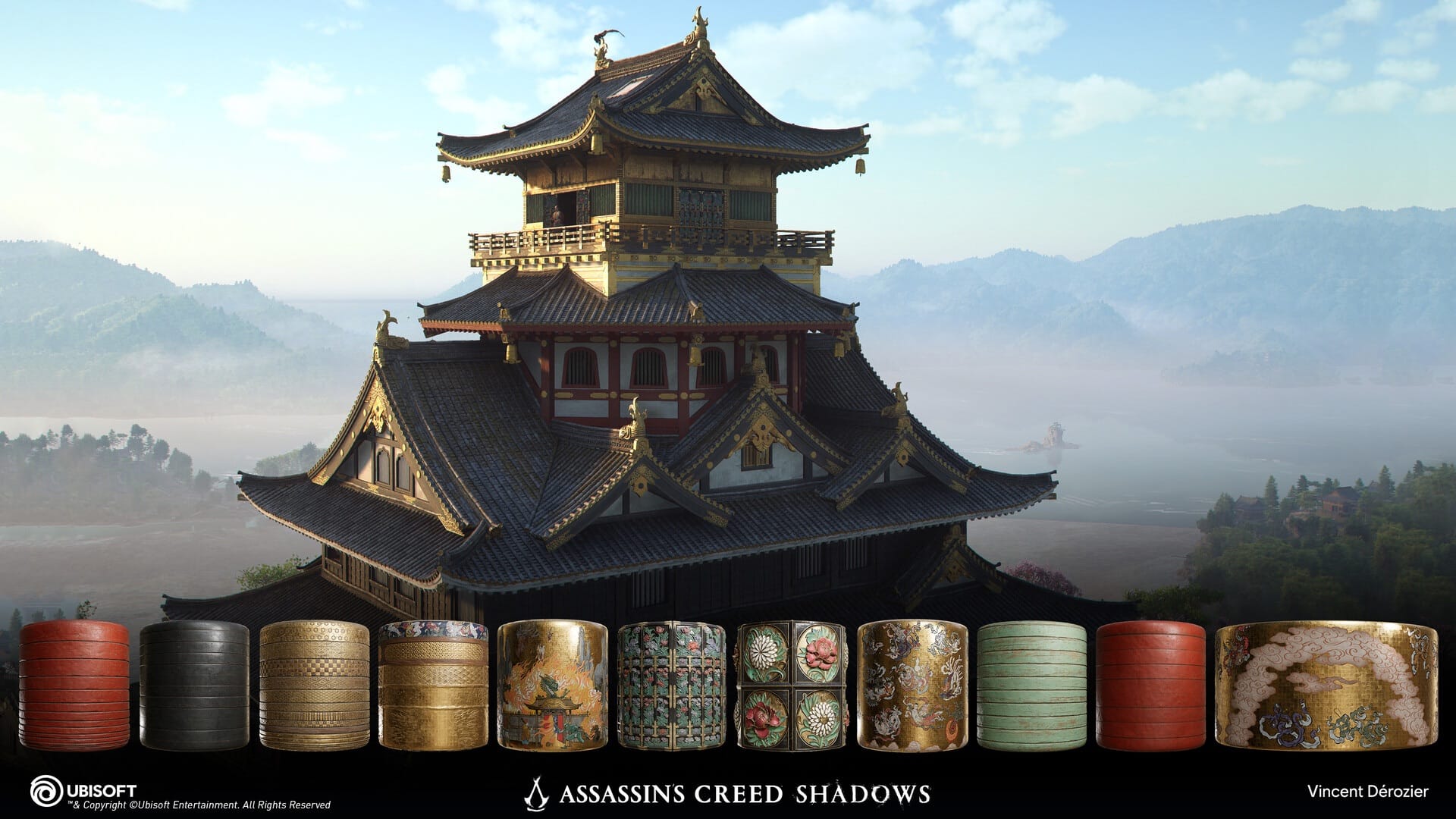
Vincent has also applied this idea of empowering artists to external contractors. On Assassin’s Creed Odyssey, the team usually created the data in-house and asked a third-party company to polish and debug it, which meant they missed out on the more fun, creative work. Instead, Vincent split the workload 50/50 between his team and the partner company, ensuring artists took ownership of their particular material.
“Each one owned mandates from start to finish with full autonomy and the visual bible and feedback as a guide,” Vincent says. “Turns out the outsourcers were so pumped they output like crazy and created better materials than I would ever do! Since that experience, I give artists as much ownership as possible. People do their best when you trust them.”
Portfolio Advice from a Senior Lead Artist
Of course, the overarching question is: how do you get hired in the first place? Having reviewed many portfolios, Vincent highlights that quality beats quantity: you will be judged by your weakest piece, so having a few strong samples rather than lots of weak ones is key. If it could scale up in production, it’s even more attractive to recruiters. He also advises against going too big.
“Starting gigantic projects that are too exhausting, or quickly filling their portfolio with dozens of surfaces,” are classic mistakes young artists make, says Vincent. “Trying to recreate every trend or nice material from ArtStation is also a pattern. It's not bad to get inspired by ArtStation; it's a fantastic platform. But like any platform, if you stay on it, it can become an echo chamber, and you will miss building with intent.”
Staying Inspired
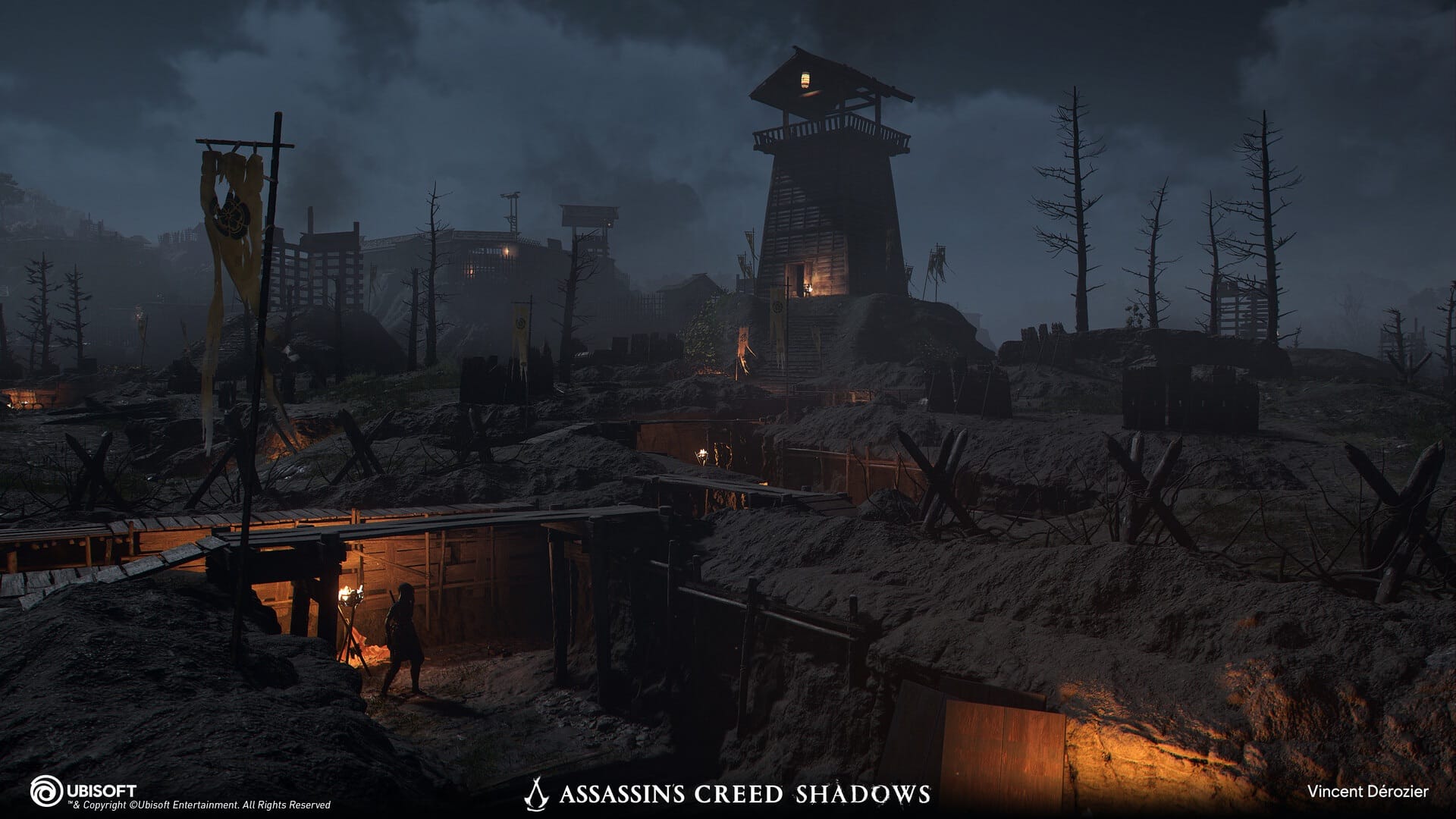
Despite wearing many hats and overseeing numerous artists, Vincent still gets excited by the hands-on work of creating materials, especially taking real-world references and turning them into backdrops for games that are played and loved by millions of people. “It's a creative process that always gets me rolling, even after all these years,” he says.
More than the games, though, the people Vincent has worked with are the true highlight. “I learned and grew a lot with everyone I met over the years. People teach me a lot every day, and not just at work. Even people you didn't get along with, or who hurt you, help you realize who you are and how to help one another in a better way.”
Want to find out more about Vincent’s approach to environment art for games? Check out his Gnomon Workshop. Plus, discover the Environment Art for Games Learning Path, which features 12 workshops by 11 industry experts.
Related News
An Interview with Colleen Larson
Sep 10, 2026
The Art of Giovani Magana
Aug 27, 2026
Discover The Gnomon Workshop Learning Paths
Mar 06, 2026